A dedicated ATV (All-Terrain Vehicle) insurance policy bridges those gaps. It functions a lot like auto insurance, combining a few standard protections to safeguard you, your machine, and your wallet.
[caption id="" align="alignnone" width="8192"]
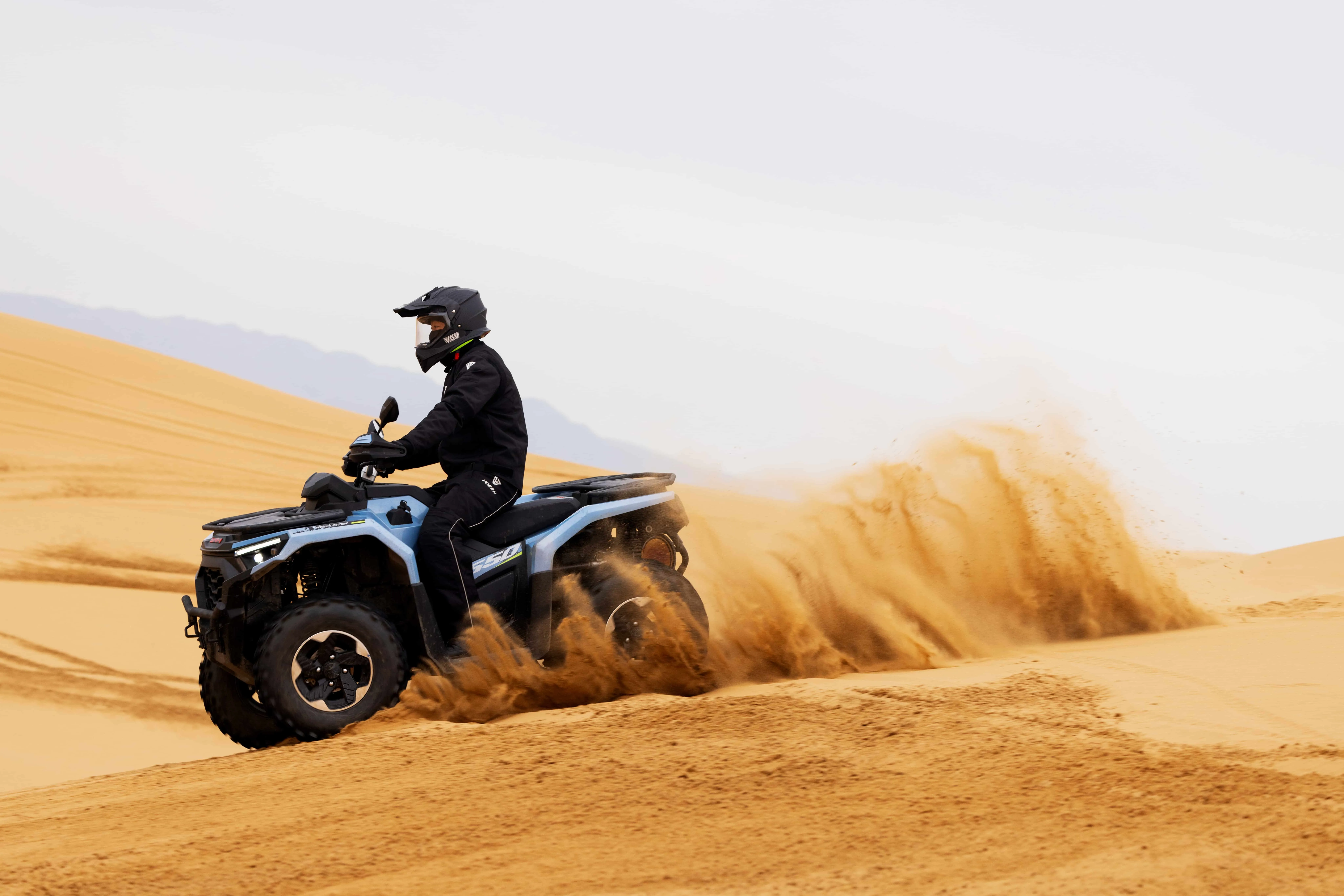 SWM ATV TRAILHUNTER 580[/caption]
Core Coverage Types
1. Liability Coverage (The Foundation)
If you cause an accident that hurts someone else or damages their property, liability is there to pick up the tab.
Bodily Injury Liability: Helps pay for another rider's or pedestrian’s medical bills, hospital stays, or lost wages if you are at fault.
Property Damage Liability: Covers the cost to repair or replace someone else’s equipment, or property you accidentally hit (like a neighbor’s fence or another rider’s expensive side-by-side).
Note: Liability is usually the minimum coverage required by law if you plan to ride on state parks, public lands, or designated trail systems.
2. Collision Coverage
ATVs are built for rugged environments, but "all-terrain" doesn't mean indestructible. Collision coverage pays to repair or replace your ATV if it is damaged in a crash, regardless of who was at fault. This includes hitting a tree, rolling over on a steep incline, or colliding with another vehicle.
3. Comprehensive Coverage
This protects your investment from things outside of your control on or off the trail. It covers your ATV if it is:
Stolen from your garage or a trailhead.
Vandalized.
Damaged by fire, weather events (like hail or a falling tree limb), or a flood.
Hit by an animal (a common hazard on wooded trails).
4. Medical Payments (MedPay) / Personal Injury Protection
Off-roading comes with inherent physical risks. MedPay helps cover medical expenses for you and your passengers if you're injured in an ATV accident, no matter who caused it. It can help cushion the blow of high health insurance deductibles or ambulance fees.
5. Uninsured/Underinsured Motorist Coverage
Unfortunately, not every rider on the trail carries insurance. If someone without adequate insurance crashes into you and injures you or wrecks your machine, this coverage steps in to pay for your medical bills and property damage.
Common Optional Add-Ons
Depending on how you use your machine, you might want to look into these popular policy extras:
Custom Parts & Accessories Coverage: Standard policies usually only cover the factory-spec vehicle. If you’ve added an expensive winch, custom light bars, performance exhaust systems, heavy-duty snow plows, or upgraded sound systems, you will need an endorsement to ensure those additions are covered.
Roadside Assistance / Trail Recovery: Getting stuck miles into a remote trail with a dead battery or mechanical failure can be a nightmare. This helps cover the cost of towing or emergency fuel delivery.
OEM Parts Endorsement: Ensures that if your ATV needs repairs, the shop uses original equipment manufacturer (OEM) parts rather than cheaper, generic aftermarket components.
Quick Tips for the Ride
Storage Matters: Even if your quad is parked safely in your personal garage, your home insurance won't automatically cover it against fire or theft. It needs its own comprehensive coverage to stay protected.
Watch the Deductibles: Choosing a higher deductible (what you pay out of pocket before insurance kicks in) will lower your monthly premium, but make sure it’s an amount you can easily afford in an emergency.
Bundle Up: The easiest way to save money on ATV insurance is to bundle it with your existing auto or homeowners policy, which can often land you a 10% to 25% discount.